

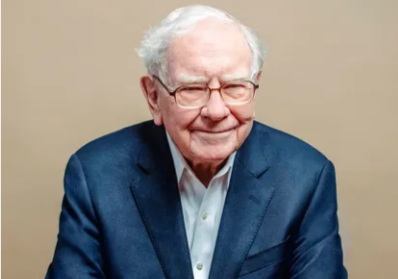
Warren Buffett, one of the world’s most respected investors, has officially announced that he will no longer write Berkshire Hathaway’s annual shareholder letters — a tradition that has lasted nearly six decades. The 95-year-old billionaire referred to this decision as “going quiet,” marking the end of a personal era that shaped the voice of Berkshire and influenced generations of investors.
Buffett’s announcement coincides with Berkshire Hathaway’s upcoming leadership transition, as Vice Chairman Greg Abel prepares to take over as CEO by the end of 2025. The change signals a new chapter for the company — one that will carry forward Buffett’s legacy but with a fresh approach to leadership and communication.
Why Buffett’s Move Matters
For decades, Buffett’s letters were considered essential reading across Wall Street and beyond. His candid tone, timeless wisdom, and detailed breakdowns of business decisions turned the annual reports into a must-read for investors, economists, and students of business.
Now, as Buffett steps back from this role, investors are not just bidding farewell to his words but also to a style of corporate transparency rarely seen in modern business. Many see this as a symbolic transition — from the era of the “Oracle of Omaha” to a more structured corporate communication approach under Greg Abel’s leadership.
The Announcement: Buffett Steps Back
“Going Quiet” and Passing the Baton
In his final message to shareholders, Buffett said he would no longer author Berkshire’s annual report or speak at length during its annual meetings. Instead, those responsibilities will now transition to Greg Abel, whom Buffett praised as an “honest communicator and outstanding manager.”
Buffett’s statement reflects confidence in his successor’s ability to lead the company’s diverse operations, which include insurance, energy, railroads, and manufacturing. This change also indicates a gradual but firm transition of leadership within Berkshire Hathaway.
Accelerated Philanthropy
Alongside this announcement, Buffett revealed that he had converted 1,800 Class A shares into 2.7 million Class B shares and distributed them among four family-run charitable foundations. This move aligns with his long-standing commitment to philanthropy and signals his intent to accelerate charitable giving as he reduces his corporate duties.
Buffett emphasized that while he is “going quiet,” he is not disappearing — his focus will now shift toward ensuring that his wealth is distributed for social good and managed responsibly by his family foundations.
Impact on Berkshire Hathaway and Investors
Berkshire Hathaway’s stock performance has remained relatively stable, though analysts note a recent slowdown compared to broader market indices. Buffett addressed this modest underperformance, saying that the company’s size naturally limits its growth potential. However, he reassured shareholders that Berkshire’s long-term prospects remain “moderately better than average.”
For many investors, the bigger concern is psychological — Buffett’s absence from public commentary may alter the way shareholders connect with the company. The annual letters weren’t just financial summaries; they were personal reflections filled with humor, discipline, and lessons on value investing.
Still, with Abel taking over, many expect a smoother operational style, perhaps more data-driven and less personality-centric, but still aligned with Buffett’s core philosophy: long-term thinking, conservative financial management, and trust in strong business fundamentals.
Public and Market Reactions
Social media platforms quickly lit up with reactions to Buffett’s announcement. On X (formerly Twitter), the phrase “End of an Era” trended globally as fans, analysts, and investors shared memories of Buffett’s most famous quotes. Financial experts described his departure from the annual letters as “the closing of one of business literature’s greatest chapters.”
Market reactions, however, remained calm. Analysts agree that Buffett’s careful planning — including a decade-long succession strategy — has ensured investor confidence. Greg Abel has been deeply involved in company operations for years, and insiders believe he will maintain the company’s disciplined culture.
What Comes Next
As Buffett transitions out of active public communication, Berkshire Hathaway enters a phase of quiet transformation. Key expectations for the coming year include:
- Greg Abel’s Leadership Debut: Abel will take over as CEO by late 2025, shaping the company’s next generation of strategy.
- Philanthropic Expansion: Buffett’s family foundations are expected to scale up charitable initiatives as he donates more of his Berkshire stock.
- Investor Watch: Analysts will closely monitor how Abel’s communication style and decision-making influence investor trust and market confidence.
- Cultural Continuity: Despite leadership changes, Buffett’s principles of patience, discipline, and value-based investing will remain the backbone of Berkshire’s identity.
The world may no longer hear directly from Warren Buffett every year, but his influence will continue to echo through the businesses he built, the leaders he mentored, and the millions who learned from his words.
References
- Reuters – Warren Buffett donates record $6 billion Berkshire shares
- Associated Press – Warren Buffett announces $6 billion in donations to five foundations
- Financial Times – Berkshire Hathaway offloads $6.1bn of stock
- Fortune – Warren Buffett’s philanthropy plans for 2025
- Sky News – Warren Buffett confirms he will be ‘going quiet’ as CEO
