

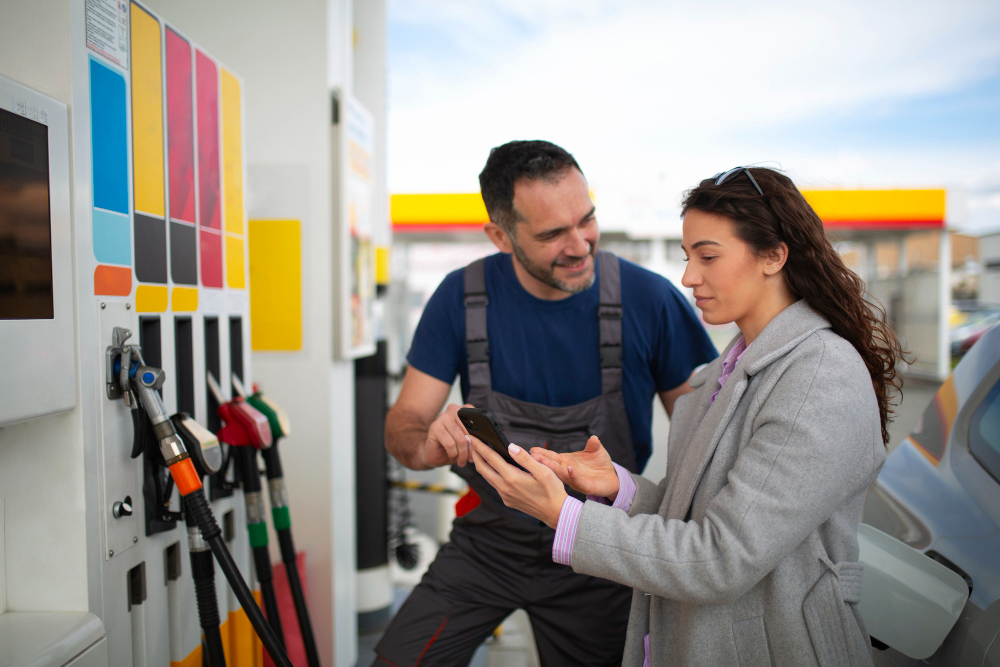
Retailers entering the fuel business is no longer a rare strategy. It has become a strong global trend. Supermarkets, convenience stores, and big retail brands are now selling fuel alongside groceries and daily essentials. This shift is changing how people refuel their vehicles. Customers can now fill their tanks while shopping, saving time and effort. For retailers, fuel stations help increase store visits and improve overall sales.
This move is driven by changing consumer behavior and tight retail margins. Fuel brings steady traffic to retail locations. Even when fuel profits are low, customers often spend more inside the store. Retailers also use fuel loyalty programs to keep customers coming back. Discounts, rewards, and membership pricing make fuel retail a powerful tool to build long-term customer relationships.
The fuel business is also evolving with technology and new energy needs. Many retailers are adding EV charging stations and digital payment systems at their forecourts. This creates a modern retail and fuel ecosystem. As mobility needs grow and convenience becomes more important, retailers entering the fuel business are reshaping the future of fuel retail and everyday shopping.
What Does Retailers Entering the Fuel Business Mean?
Retailers entering the fuel business means traditional retail companies expanding into fuel retailing. These retailers sell gasoline, diesel, or alternative fuels directly to customers at or near their stores. This model combines fuel stations with convenience stores, supermarkets, or wholesale clubs. The goal is to offer fuel and daily shopping in one place. This approach improves customer convenience and increases store traffic.
In this model, fuel is not treated as a standalone product. It becomes part of a wider retail fuel ecosystem. Customers refuel their vehicles and then shop for groceries, food, or household items. Retailers use fuel rewards, loyalty programs, and membership discounts to connect fuel purchases with in-store spending. This strategy helps retailers improve customer retention and increase overall revenue.
Retail fuel retailing can follow different formats. Some retailers build and operate their own fuel stations. Others partner with established fuel suppliers or operate under franchise agreements. Many global brands like Walmart, Costco, Tesco, and 7-Eleven use fuel as a traffic driver rather than a high-margin product. With the rise of EV charging infrastructure and alternative fuels, retailers entering the fuel business are also preparing for the future of mobility and energy retail.scratch.
What Does Retailers Entering the Fuel Business Mean?
Retailers entering the fuel business means traditional retail companies expanding into fuel retailing. These retailers sell gasoline, diesel, or alternative fuels directly to customers at or near their stores. This model combines fuel stations with convenience stores, supermarkets, or wholesale clubs. The goal is to offer fuel and daily shopping in one place. This approach improves customer convenience and increases store traffic.
In this model, fuel is not treated as a standalone product. It becomes part of a wider retail fuel ecosystem. Customers refuel their vehicles and then shop for groceries, food, or household items. Retailers use fuel rewards, loyalty programs, and membership discounts to connect fuel purchases with in-store spending. This strategy helps retailers improve customer retention and increase overall revenue.
Retail fuel retailing can follow different formats. Some retailers build and operate their own fuel stations. Others partner with established fuel suppliers or operate under franchise agreements. Many global brands like Walmart, Costco, Tesco, and 7-Eleven use fuel as a traffic driver rather than a high-margin product. With the rise of EV charging infrastructure and alternative fuels, retailers entering the fuel business are also preparing for the future of mobility and energy retail.
Background and Market Context
The fuel retail market was traditionally controlled by oil companies and dedicated fuel station operators. These businesses focused mainly on fuel sales, with limited emphasis on retail experience. Over time, fuel margins became tighter due to price competition, regulations, and rising operational costs. At the same time, consumer expectations began to change. People wanted faster service, better locations, and more value from every stop.
Convenience stores and supermarkets started to see an opportunity in this shift. Many fuel stations added retail stores to increase profits beyond fuel sales. This evolution later encouraged large retailers to enter the fuel business themselves. By placing fuel stations next to high-traffic retail locations, retailers could attract more customers and extend visit time. This model proved successful in both urban and suburban markets.
Today, the retail fuel sector is shaped by convenience, technology, and diversification. Digital payments, data-driven pricing, and customer loyalty programs play a key role in fuel retailing. The market is also adapting to long-term changes such as electric vehicles and alternative fuels. As a result, retailers entering the fuel business are no longer reacting to trends. They are actively shaping the future of fuel retail and consumer mobility.
Key Drivers Behind Retailers Entering the Fuel Sector
One of the main reasons retailers enter the fuel business is revenue diversification. Traditional retail margins are often thin and unpredictable. Fuel sales provide a steady flow of customers every day. Even when fuel margins are low, the real value comes from increased foot traffic. Customers who stop for fuel are more likely to enter the store and make additional purchases. This fuel and grocery synergy helps retailers boost total sales.
Customer convenience is another strong driver. Modern consumers prefer one-stop locations where they can refuel and shop at the same time. Retailers use fuel loyalty programs, discounts, and membership pricing to attract repeat visits. Brands like Costco and Walmart link fuel rewards with in-store spending. This creates stronger customer loyalty and long-term relationships. Data from fuel and retail purchases also helps retailers personalize offers and improve marketing.
The future of mobility also plays an important role. Many retailers see fuel stations as a gateway to new energy services. EV charging infrastructure, alternative fuels, and digital payment systems are becoming part of the forecourt experience. By entering the fuel sector early, retailers prepare for changes in vehicle technology and consumer demand. This forward-looking strategy allows retailers to stay competitive as the fuel retail landscape continues to evolve.
How Retailers Enter the Fuel Business
Retailers use different models to enter the fuel business based on their size, budget, and long-term goals. One common approach is direct investment. In this model, retailers build and operate their own fuel stations near existing stores. This gives them full control over pricing, branding, and customer experience. Large retailers like Walmart and Costco often use this strategy to integrate fuel sales with their loyalty and membership programs.
Another popular method is partnering with established fuel suppliers. Retailers allow fuel companies to operate stations on their property under a supply or branding agreement. This reduces operational risk and capital costs. The retailer benefits from increased foot traffic, while the fuel supplier manages fuel sourcing and compliance. Many supermarket chains and convenience stores prefer this model because it allows faster market entry.
Some retailers also enter the fuel sector through franchise or lease arrangements. In this setup, the retailer runs the convenience store while fuel is sold under a recognized fuel brand. This hybrid model combines retail expertise with fuel industry experience. Regardless of the approach, the focus remains the same. Fuel stations act as traffic drivers that support convenience retail, improve customer retention, and strengthen the overall retail fuel ecosystem.
Major Examples of Retailers Entering the Fuel Business
Many global retailers have successfully integrated fuel retailing into their business models. Walmart is a strong example. It operates fuel stations near its stores to drive daily traffic. Fuel discounts are often linked to shopping and membership programs. This strategy helps Walmart increase repeat visits and strengthen customer loyalty while keeping fuel prices competitive.
Costco follows a similar but membership-focused model. Its fuel stations are exclusive to members and are known for low pricing. Fuel acts as a value-added service rather than a profit center. This approach increases membership retention and encourages bulk shopping. The combination of wholesale retail and fuel sales has made Costco one of the largest fuel retailers in several markets.
Convenience-focused brands like 7-Eleven, Circle K, and Tesco also show how fuel and retail work together. These retailers combine quick-service stores with fuel stations to meet daily mobility needs. In international markets, companies like Sainsbury’s and Carrefour use fuel to support supermarket growth. In regions such as the Middle East and Australia, entities like ADNOC Distribution and Viva Energy blend fuel retailing with modern convenience stores. These examples show that retailers entering the fuel business use fuel as a strategic tool to grow traffic, improve customer experience, and stay competitive.
Benefits for Retailers
One of the biggest benefits of entering the fuel business is increased customer traffic. Fuel stations bring a steady flow of visitors throughout the day. Many of these customers also enter the store to buy food, beverages, or household items. This cross-selling opportunity helps retailers increase average basket size and improve overall store performance.
Fuel retailing also strengthens customer loyalty. Retailers connect fuel purchases with loyalty programs, rewards, and membership discounts. Customers are more likely to return when they receive value across fuel and retail spending. This fuel rewards model helps retailers build long-term relationships and collect valuable customer data. The data can be used to improve pricing, promotions, and personalized offers.
Another key benefit is brand expansion and diversification. Fuel allows retailers to extend their brand beyond traditional retail categories. It positions the store as a daily-use destination rather than an occasional shopping stop. As retailers add EV charging, digital payments, and alternative fuels, they also future-proof their business. These advantages explain why retailers entering the fuel business continue to grow in both mature and emerging markets.
Challenges and Risks in the Fuel Business
Entering the fuel business comes with several challenges that retailers must manage carefully. One major issue is high setup and operational costs. Building fuel stations requires large capital investment, safety systems, and ongoing maintenance. Retailers must also follow strict fuel storage, environmental, and safety regulations. These requirements increase complexity compared to running a standard retail store.
Fuel margins are another concern. Fuel pricing is highly competitive and often controlled by market conditions. Profits per liter are usually low, which means retailers depend heavily on in-store sales to make the model work. Price fluctuations and supply chain disruptions can also impact profitability. Smaller retailers may find it difficult to compete with large fuel retailers and oil companies that benefit from scale.
The fuel sector is also facing long-term uncertainty due to changing energy trends. The growth of electric vehicles and alternative fuels is reshaping fuel demand. Retailers that rely only on traditional gasoline and diesel may face risks in the future. To stay competitive, retailers entering the fuel business must invest in EV charging infrastructure, technology upgrades, and flexible forecourt designs. Managing these risks is essential for long-term success in fuel retailing.
Technology and Future Trends in Retail Fueling
Technology is playing a key role in how retailers enter and succeed in the fuel business. Digital payments, mobile apps, and contactless systems make refueling faster and more convenient. Many retailers now integrate fuel payments with loyalty programs, allowing customers to earn rewards or discounts automatically. This combination improves the customer experience and encourages repeat visits.
The rise of electric vehicles (EVs) is also changing fuel retailing. Retailers are adding EV charging stations at their forecourts to meet growing demand. Some are even exploring alternative fuels like hydrogen and biofuels. These moves help retailers stay relevant as mobility trends shift and reduce reliance on traditional gasoline and diesel.
Data and analytics are becoming increasingly important. Retailers use information from fuel and in-store purchases to predict demand, optimize pricing, and create targeted promotions. Artificial intelligence and smart forecasting systems help manage inventory and improve operational efficiency. By embracing technology and preparing for future energy needs, retailers entering the fuel business can create a modern, integrated retail and mobility ecosystem.
Market Impact of Retailers Entering the Fuel Business
Retailers entering the fuel business are changing both the retail and fuel markets. Traditional fuel retailers now face increased competition from supermarkets and convenience stores. This competition often leads to lower fuel prices, better service, and more customer-focused innovations. Consumers benefit from having more choices and combined retail-fuel experiences in one location.
The trend also affects consumer behavior. Customers increasingly plan trips around convenience, choosing locations where they can refuel and shop at the same time. Fuel stops are no longer just for filling the tank; they have become opportunities for grocery shopping, dining, and other purchases. This synergy helps retailers increase revenue and build stronger customer relationships.
In addition, the growth of retail-operated fuel stations supports long-term trends such as EV adoption and alternative fuels. By combining fuel sales with loyalty programs, digital tools, and convenience services, retailers create a competitive advantage. This evolution is shaping the future of fuel retail, making it more integrated, customer-focused, and technology-driven.
KPIs to Track Success in Retail Fueling
Measuring performance is essential for retailers entering the fuel business. Tracking the right KPIs helps assess profitability, customer engagement, and operational efficiency. One key metric is fuel volume sold, which shows how well the fuel station attracts traffic. Coupled with in-store sales, it indicates how fuel drives additional retail revenue.
Customer loyalty metrics are also important. These include repeat visits, fuel rewards redemptions, and membership program participation. High engagement reflects strong customer retention and brand loyalty. Retailers also monitor average basket size to see if fuel purchases lead to more in-store spending.
Operational KPIs, such as fuel inventory turnover, EV charger usage, and forecourt uptime, help ensure smooth operations and service reliability. Using data analytics to track these metrics allows retailers to optimize pricing, promotions, and staffing. By focusing on these KPIs, retailers can maximize the benefits of fuel retailing while minimizing risks and inefficiencies.
Conclusion
Retailers entering the fuel business are transforming the way people shop and refuel. By combining fuel stations with convenience stores, supermarkets, and loyalty programs, retailers create a one-stop experience that attracts more customers and increases revenue. This strategy not only drives store traffic but also strengthens brand loyalty and customer retention.
The trend is also shaping the future of mobility. With EV charging stations, alternative fuels, and digital payment systems, retailers are preparing for changing energy demands and new consumer behaviors. While there are challenges such as high setup costs, low fuel margins, and regulatory requirements, the long-term benefits of diversification and customer engagement make fuel retail an attractive opportunity.
In short, retailers entering the fuel business are no longer just reacting to market trends—they are actively shaping the future of retail and energy. By integrating technology, loyalty programs, and convenience services, they are creating a modern, customer-focused fuel retail ecosystem that meets today’s needs and anticipates tomorrow’s demands.
Frequently Asked Questions (FAQs)
1. Why are retailers entering the fuel business?
Retailers enter the fuel business to diversify revenue, attract more customers, and strengthen loyalty programs. Fuel stations drive store traffic, encourage additional purchases, and create a one-stop shopping experience.
2. Is fuel retailing profitable for retailers?
Fuel margins are usually low, but profitability comes from increased in-store sales and customer retention. Linking fuel to loyalty programs or memberships further boosts revenue and long-term value.
3. How are EV charging stations changing fuel retail?
EV charging is becoming a key part of modern fuel retailing. Retailers add chargers to attract electric vehicle owners, future-proof their business, and maintain relevance as mobility trends shift toward sustainable energy.
4. What challenges do retailers face in fuel business?
Challenges include high capital investment, regulatory compliance, low fuel margins, and competition from traditional fuel companies. Retailers also need to adapt to EV adoption and alternative fuels to stay competitive.
5. What strategies help retailers succeed in fuel retailing?
Successful strategies include integrating fuel with convenience stores, using loyalty and membership programs, leveraging data analytics, adopting technology like digital payments, and preparing for alternative energy trends.
