

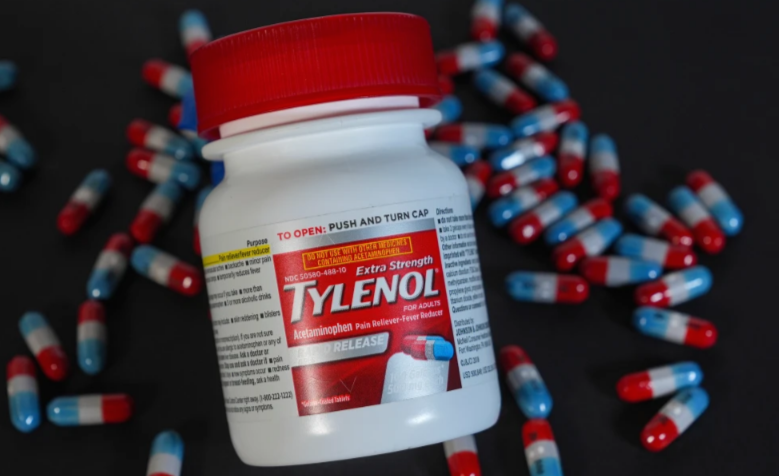
Kimberly-Clark buys Kenvue, maker of Tylenol and Band-Aid, in major consumer-health merger.
Kimberly-Clark is making headlines with a blockbuster move: it is acquiring Kenvue, the consumer-health spin-off from Johnson & Johnson that makes Tylenol, Listerine, Neutrogena, and Band-Aid, in a deal worth around $48.7 billion. AP News+1 The acquisition is being positioned as a transformative step to build a global leader in consumer health and wellness. AP News+2The Times of India+2
This shift reflects broader trends in corporate consolidation, rising regulatory scrutiny of health-product litigation, and pressures on consumer-goods firms to streamline and diversify. Investors and analysts are watching closely as Kimberly-Clark reshapes its portfolio and strategy ahead of a projected closing in the second half of 2026. AP News+1
Why the Deal is Making Waves
Kimberly-Clark is best known for brands such as Kleenex, Huggies, Cottenelle, and other tissue and personal-care products. The acquisition of Kenvue would fold in a portfolio of high-visibility health brands—Tylenol, Band-Aid, Neutrogena, Listerine—that had previously been part of Johnson & Johnson’s consumer division and later spun off. MLex+1
By combining these two major consumer-brands portfolios, the new entity is estimated to generate around $32 billion in annual revenue. AP News The structure of the deal is both cash and stock, with Kimberly-Clark shareholders taking roughly 54 % of the combined company, and Kenvue shareholders receiving the remainder. AP News+1
One of the drivers behind the deal is the pursuit of cost synergies: Kimberly-Clark has said it anticipates nearly $1.9 billion in cost savings within a few years following the merger. The Times of India+1
Strategic Moves & Financial Context
Divesting Tissue Business Overseas
Earlier in 2025, Kimberly-Clark moved to sell a majority stake in its international tissue business in a joint-venture with Brazil’s pulp company Suzano. Reuters+1 That move, valued at about $3.4 billion, allows Kimberly-Clark to pivot more capital toward higher-margin and higher-growth segments. Investopedia
Manufacturing Investment
Simultaneously, Kimberly-Clark has committed to expanding its U.S. manufacturing footprint. It announced plans to invest $2 billion over five years in new and upgraded facilities—such as a plant in Ohio—to support growth while responding to cost pressures around trade, tariffs, and supply chain risk. Reuters
Quarterly Performance
In its third quarter of 2025, Kimberly-Clark reported net sales of around $4.2 billion, with organic sales growth near 2.5 %. Stock Titan+1 At the same time, adjusted earnings per share and margins were under pressure from tariff-related costs and restructuring initiatives. Stock Titan
Market & Public Reaction
Reactions to the merger have been mixed among investors. Kenvue shares jumped significantly on the acquisition news, reflecting optimism that the deal will shore up its strategic challenges. The Guardian+1 In contrast, Kimberly-Clark’s stock dipped initially, possibly reflecting investor caution over leverage, integration risk, and regulatory considerations. The Guardian
There is also public scrutiny tied to Kenvue’s brand Tylenol, particularly after controversial (and heavily disputed) claims that its use could be linked to autism risk. Kenvue management has strongly denied any scientific evidence for that link. The Guardian+1
Industry analysts note that tying established consumer-health brands to a strong distribution and operational backbone like Kimberly-Clark could offer synergies, but regulatory, litigation, and brand reputation risk remain key watchpoints.
What Comes Next?
If approved by shareholders and regulators, the merger is expected to close in the second half of 2026. AP News+1 In the meantime, Kimberly-Clark will need to manage integration planning, regulatory reviews, and the balancing act between cost savings and maintaining brand equity.
It’s also likely that the company will re-evaluate its broader strategy for emerging markets, product innovation, and sustainability as part of the newly combined entity. Investors may expect updates on how the acquisition will impact R&D, supply chain resilience, and environmental/social governance (ESG) reporting in the months ahead.
Overall, this deal marks one of the biggest mergers in consumer-health in 2025—and positions Kimberly-Clark as a significantly larger player in the global health & wellness space.
