

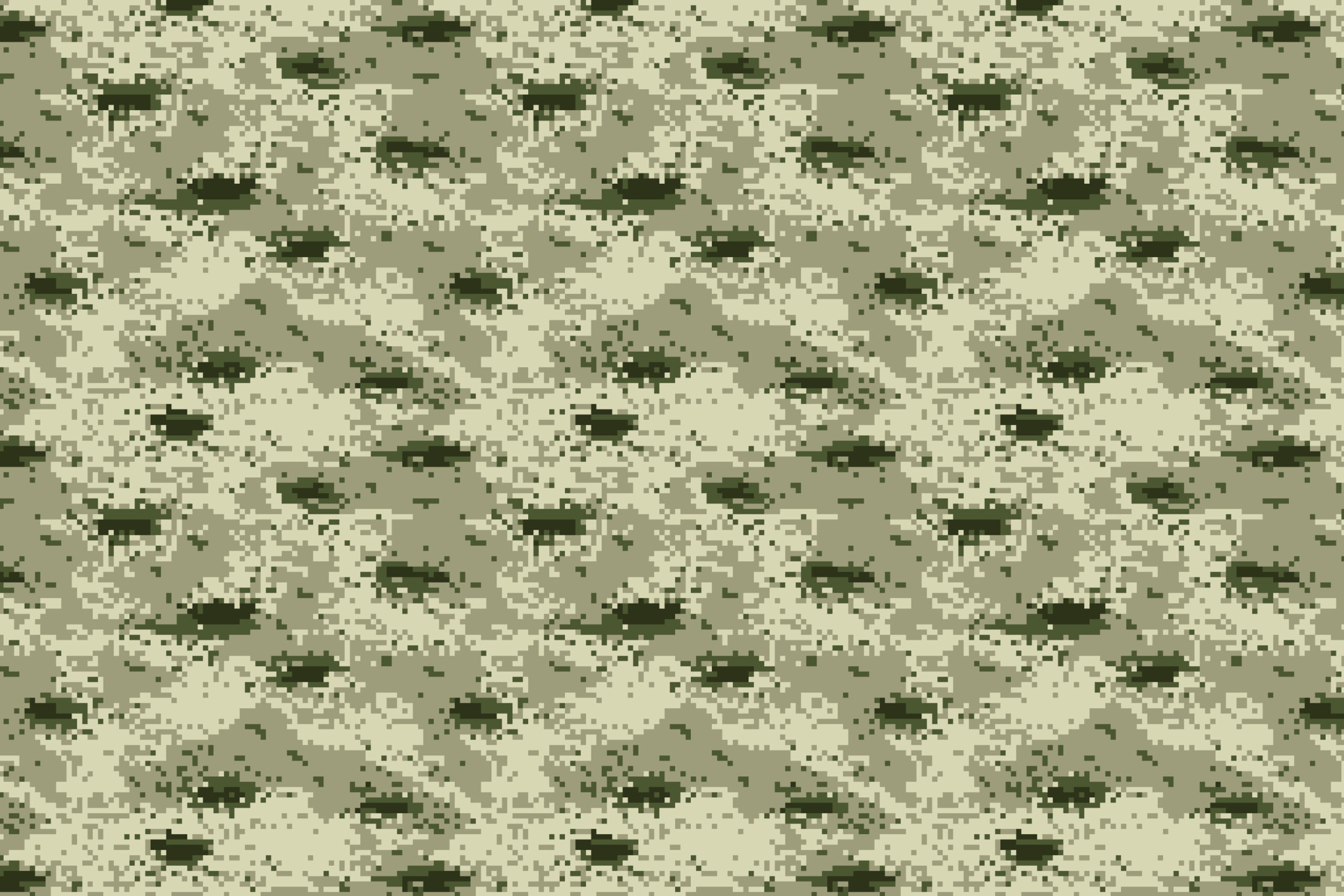
When you are outdoors then being protected against the weather is the thing to have. So that is where Tarnplanen or camouflage tarps come in. Tarnplanen is a German word which is a combination of tarnen (to mask) and Planen (tarps). These multi-purpose covers were initially created as military covers to make equipment and covers part of the environment. They have now become common among campers, hunters, survivalists, and anyone who requires a weatherproof and strong cover that includes camouflage too.
A quality Tarnplanen is not a piece of cloth. It is durable and is constructed using materials such as PVC and polyethylene (PE), polyester or canvas resistant to rain, sun and wind. These tarps are dry and safe during every season with welded seams, reinforced eyelets and lasting coats. You may use them as camping tents, hunting blinds, car covers or emergency tents.
Here you will find all the information you will require about Tarnplanen–about what they consist of, and what patterns they are made in, as well as how to wear them and take care of them. You will know how to select the appropriate tarp to suit your purpose, what makes one last longer and why camouflage tarps are no longer the preserve of outdoor enthusiasts and experts.
What is Tarnplanen?
Tarnplanen is nothing more than camouflage tarpaulins. It derives its name and origin out of the German words Tarn (camouflage) and Planen (tarps or covers). Tarnplanen were originally designed as military gear, and soldiers covered equipment, vehicles, and shelters with them and fitted in with their environment. Their primary aim was to safeguard against rain and sun and also lower visibility in the field.
These waterproof tarps were used in the military and over time became common in the non-military world. Tarnplanen is today used by campers, hunters, survivalists and outdoor workers in numerous ways. They can be used as rain covers, shelters, ground covers and even makeshift tents. They are also well-designed in reference to their camouflage which makes them suitable in the outdoors where it is relevant to remain unnoticed or to blend with the surroundings.
Tarnplaner (modern) are produced using modern materials such as PVC, polyethylene or polyester. These fabrics are waterproof, UV-resistant and are tough enough to face the heavy weather. Others are reinforced with seams, metal eyelets and tear-resistant surfaces, and are durable in terms of long usage. A Tarnplane can be used to provide a convenient shield and a shaded space at a campsite, a hunting blind, and more: it can do anything with protection and camouflage.
Tarnplanen Materials and Construction.
A Tarnplanen is mostly dependent on the material and the process by which it is produced. A good camouflage tarp will be able to withstand the wear and tear it will experience during years of outdoor service. Tarnplanen are mostly made out of PVC, polyethylene (PE), polyester or canvas. Different materials possess strengths and areas of good use.
PE tarps are light and inexpensive, and waterproof. They would be good on short trips, temporary, or quick shelters. They will however wear out easily when subjected to intense sunlight or during intensive use. The tarps made of PVC, in their turn, are heavier and stronger. They do not tear easily, are also flexible during cold weather, and give long term defense against rain and UV rays. PVC is a good choice of tarp when you want it to last.
Tarnplanen made of polyester and canvas is commonly employed in cases where breathability and natural appearance are of importance. Canvas is traditional in appearance and is perfect to those who like using eco-friendly materials, whereas polyester is strong and easy to wash. Regardless of the material, good Tarnplanen all have reinforced edges, welded seams and metal grommets. These specifications avoid leakages, minimize wear and tearing and it becomes easy to tie or hang the tarp firmly.
The thickness of the fabric (preferably, it is expressed in grams per square meter) and the quality of its seams are the aspects to be paid attention to when selecting a Tarnplane. Heavier tarps with seams that have been welded or heat-sealed can be used to provide protection against weather conditions such as wind and rain. A good construction guarantees your Tarnplane to withstand the outdoor conditions even after years of use whether as a means of camping, hunting or a normal outdoor defense.
Camouflage Patterns and its application.
The camouflage patterns are among the primary factors that make people select Tarnplanen. The designs are used to make the tarp disappear in the environment where it is used so that it is not made very noticeable in forests, fields or deserted places. The most widespread ones are Flecktarn, Woodland and Desert Camo each designed to fit a particular landscape and lighting.
The German military designed flecktarn and used it with green, brown and black spots which perform well in the woods and grasses. Woodland camouflage is longer, bigger patches of green, brown and tan, which is best suited to the temperate forests or the mixed terrain. When you hang around open and sandy places, the lighter color of the surrounding is reflected in a Desert camo Tarnplane, which makes it a better camo.
Some newer camouflage tarps also have additional UV-resistant or reflective surfaces that are used to reduce heat and visibility in the sun in addition to their visual design. Outdoor enthusiasts, hunters and wildlife photographers who require protection and stealth especially find these features helpful.
The correct camouflage pattern will be based on what you intend to do with your Tarnplane, and where. By forest camping, Flecktarn or Woodland is the way to go. In open fields or dry areas, the Desert camo or neutral tones such as olive green are the best colors to use. Fitting your tarp to the surrounding is a process that is not only a better way to blend in with the environment but also increases your outdoor experience.
Top Uses and Practical Setups of Tarnplanen
A Tarnplanen is one of the most useful tools you can carry outdoors because it has so many practical uses. Whether you’re camping, hunting, or working outside, a good tarp offers reliable protection and versatility. Its waterproof and tear-resistant design makes it suitable for almost any situation where you need quick shelter or cover.
One of the most common uses is as a camping shelter or tarp tent. You can easily tie a Tarnplane between two trees to create a shaded area or a simple lean-to shelter. It keeps you dry in rain and protects you from wind or sun. When used as a groundsheet, it adds an extra layer between your sleeping bag and the damp ground, keeping your gear clean and dry.
Hunters and wildlife photographers often use Tarnplanen to build hunting blinds or observation covers. The camouflage pattern blends naturally with the surroundings, helping you stay hidden without disturbing wildlife. For travelers or vehicle owners, these tarps also work well as car, boat, or equipment covers, protecting against dust, rain, and UV rays.
In emergency situations, Tarnplanen can serve as a temporary shelter, rain cover, or windbreak. They are also handy for covering firewood, garden tools, or outdoor furniture during bad weather. The versatility of Tarnplanen makes it a must-have for anyone who values durability, protection, and adaptability in outdoor settings. Whether you’re preparing for a camping trip or setting up a survival base, a Tarnplane can always find a purpose.
Buying Guide: Size, Weight, and Durability
The right Tarnplanen will depend on the way and location of use. The correct size, weight, and thickness of the material would go a long way in the performance and comfort. Prior to purchase, consider what you require, be that camping and hunting, covering equipment or emergency.
The first point is that of size. Personal shelters or ground covers are best done in small tarps (approximately 2×3 meters). The smaller (3×5 meters) are suitable to camping systems, whereas bigger tarps (4×6 meters and above) are useful in vehicles, boats or uses by a group. When buying, always go a size larger than you believe you will require, it is easier to make the fabric bigger than it is to cover a small space.
Then consider the weight and material thickness, which is frequently defined in grams per square meter (g/m 2 ). The lightweight tarps are less bulky but could wear out on frequent use. Tarnplanen of heavy duty PVC or reinforced PE above 150 g/m 2 is stronger and lasts longer. In case you are likely to face a severe weather condition or high wind speed, then buy a heavier model that may have welded or heat-sealed seams.
Build construction is also a factor in durability. The corners are reinforced, the eyelets are made of metal, the coating impervious to UV. These properties eliminate tearing and ensure that the tarp is not ruined by sunlight and moisture. A Tarnplane with a high quality usually costs a bit extra but will protect better and will require fewer replacement in the long run.
At the time of purchasing products online or in shops, read product information. Reviews of check users on the performance of the tarp in the open. A good Tarnplane, good seams, good waterproofing, and size will last you a long time in a great variety of circumstances.
Tarnplanen Care, Maintenance and storage.
Maintaining your Tarnplanen will ensure that it serves longer and that it works. Even the most robust tarp would fade away very fast unless it is washed or kept in the right way. With a small number of easy tricks to follow, you will be able to keep your Tarnplane waterproof, bendable and prepared to take your next outdoor adventure.
Following each usage, wash your tarp in a little soap and water to get all the dirt or mud and salts off. It is advisable not to apply strong detergents or harsh chemicals which may destroy the protective coating. Always ensure that the Tarnplane is fully dried and then it can be folded or stored. Wet tarp can be packed without mold or bad smell and the fabric can become weak with time passing.
When storing, ensure that you fold the tarp well and store it in a cool and dry place, that is, not in direct sunlight. The material may be brittle and colors may be faded by long exposure to UV rays. Assuming your Tarnplane has metal grommets, the check once every now and then to make sure they are not rusted, a small amount of oil as necessary. In the case of minor tears or holes, a repair patch or tarp tape will be required to close them quickly. Small repairs done at the beginning ensure a smaller harm in the future.
Read Also: Who will get a credit One Bank Settlement 2025, How much you might get, and how to claim.
Legal and Ethical Concerns of using Tarnplanen.
Although Tarnplanen are useful and convenient, they should be used in a prudent manner and in accordance to local legislation. Some camouflage patterns can resemble military ones as they were originally military in nature. In some places, people might be confused or limited by law to walk in the streets with military-style attire or jewellery. Never forget to check the pattern or color of your Tarnplane whether it is permitted in your territory particularly when you intend to use it in places that are open to the public or even during hunting season.
Ethical conduct is important when a person is using a Tarnplane to hunt or watch animals. One should not use camouflage to be too close to the animals or keep their normal behavior. The idea is to fit in unobtrusively without affecting and causing distress to animals. Adhere to local rules and regulations of hunting and wildlife, and take care of the wildlife and areas of protection where camouflage or disguise may not be possible.
When camping or putting up shelters in the shared or open areas, it is also prudent to be considerate. Always leave trails clear, do not break trees (and leave no rubbish). A Tarnplanen is supposed to get you to enjoy nature, not to destroy it. Being responsible outdoor users will keep the environment clean and will make sure that all people will be able to use these helpful tools safely and fairly.
Best Brands, Place of purchase and Price Lists.
Once you are about to purchase a Tarnplanen, you will be able to be exposed to numerous brands and a variety of sellers all of which provide a huge variety of sizes, materials, and camouflage possibilities. When you select a recognizable brand, you are assured of a tarp which will serve well in the open area and last long.
German military surplus stores offer some of the most dependable ones and sell original Bundeswehr Tarnplanen. They are publicity grade and designed to be used in the field, have waterproof finishes and are reinforced at the seams. MFH, Mil-Tec, and Fox Outdoor are brands, which are relying on the concepts of the military quality of camo tarps. There are also powerful civilian versions of outdoor and camping brands that prioritize on UV protection as well lightweight materials to travel.
Tarnplanen is available both online and in the shops. Amazon, eBay, and outdoor gear stores are online stores that offer a large variety of products with many having user reviews to enable you to compare durability and performance. Local camping and hardware stores tend to offer heavy-duty tarps in camo and solid colors in the store so that those who’d rather see the product can do so.
The prices depend on the size, material and quality. Single polyethylene Tarnplanen are available starting at approximately $10-20 and mid-range PVC or polyester models range between 30-60. When the tarps are military grade or extra-large, then you should pay up to $80 or higher. Increasing the quality of the tarp normally implies the superior weather protection, more robust seams, and increased longevity.
During purchasing, also examine the product in terms of clarity of the product, type of material, weight (g/m 2), seam style, and resistance to UV. An authentic well reviewed Tarnplanen by a reputable vendor guarantees you the authentic value and protection of your outdoor requirements.
Quick Start Guides: How to use Tarnplanen to its profit.
A tarnplanen is easy to set up when you have the ground rules. Be it a shelter, a vehicle covers or even covering of your gear during rain, the appropriate arrangement makes it strong and stable. The following are some examples of simple applications of your camouflage tarp in the field.
1. Ridge-Line Shelter Setup
One of the best and most popular ways to use a Tarnplanen to go camping is the ridge-line setup. Take a rope and tie it between the two trees and cover the tarp over the rope. Fix either end of the tarp to the ground with ropes, posts or even branches. It is a sturdy rain protection shelter, which allows airflow on both sides and can be customized to withstand a directional wind.
2. Lean-To Shelter Setup
To make a hasty shade or to protect against the wind, in the one side tie the Tarnplane higher (to the trees or the poles) and in the other side to the ground. This creates a sloping wall which reflects heat, keeps the wind out and creates a shaded place to rest or cook. The lean-to is ideal either in the daytime or as a makeshift camp cover.
3. Vehicle or Equipment Cover
In order to secure your car, boat or gear, lay the Tarnplanen over it and secure it with elastic cords or ropes by hooking it to the eyelets. Ensure that the tarp is not overstretched, and tight, otherwise it will tear, and permits the water to flow off easily. Care should always be taken to ensure that the fabric is not torn on sharp edges below.
In either way you have it, make your Tarnplane slightly tilted so that it can drain and not pool. You need a few ropes and anchor points and in a few minutes, you can have your own stable and waterproof shelter. An excellent arrangement ensures maximum protection and camouflage so that you can be safe and comfortable anywhere in the open.
Frequently Asked questions (FAQ).
1. What does Tarnplanen mean?
Tarnplanen is a German word which translates to camouflage tarps. It is a blend between the two words tarnen (to camouflage) and Planen (tarpaulins). These are intended as tarps that can be used as natural blends in the settings and offer a great protection against weather and wear.
2. Are Tarnplanen waterproof?
Yes. The majority of Tarnplanen are waterproof and are composed of such materials, as PVC, polyethylene, or polyester. Good quality models have either heat sealed or welded seams which do not leak even when it rains heavily. The details of the product should be always checked in order to make sure that your tarp has full water protection.
3. Will Tarnplanen make me a tent or a shelter?
Absolutely. Tarnplanen is also used by many campers and survival enthusiasts to construct tarp tents, lean-to or ground cover. A tarp can be easily transformed into a portable and durable shelter that safeguards against sunlight, wind, or rain and can also be done with the help of ropes, poles or stakes.
4. What is the most appropriate size of Tarnplane to purchase?
It depends on your purpose. Single tarps (approximately 2×3 meters) are ideal when it comes to single camping or wrapping equipment. Most shelters are correctly covered by medium ones (3×5 meters) and bigger tarps (4×6 meters or bigger) are suitable in the case of vehicles or group installations. You should never select a size that you believe you will require.
5. What is the duration of a Tarnplanen?
Maintained and stored properly a good Tarnplane can be a few years old. Cleaning it and drying it before it is kept or exposed to the sunlight of strong intensity will also assist in maintaining its waterproof covering and its strength.
6. Where can I buy Tarnplanen?
You can find them online on sites like Amazon, eBay, and outdoor gear retailers. Military surplus stores also sell original Bundeswehr Tarnplanen, known for their durability and authentic camouflage patterns.
7. What is the difference between a Tarnplane and an ordinary tarp?
The primary distinction is the camouflage and tough construction. Tarnplanen are designed to fit in the outdoor setting and cope with the rough conditions, whereas ordinary tarps are plain-colored and created to be used in a light and general way.
These responses include the fundamentals of purchasing, operation and upkeep of Tarnplanen. The knowledge of their functionality will assist you in selecting the appropriate one as well as taking advantage of its features in any outdoor scenario.
Conclusion and Final thoughts.
A Tarnplanen is not just a mere tarp; it is a faithful companion of every person who spends his or her time outside. Camping in the woods, securing your vehicle or making a simple shelter under the bad weather, a good camouflage tarp will provide the best combination of durability, protection and practicality. Its waterproof cover and camouflage shape is an attraction to campers, hunters and survival lovers who appreciate the power along with the concealment.
With the knowledge of materials, patterns, and this setting techniques you are able to select a Tarnplane to meet your own requirements. A thick PVC one with a weld seam may be more suitable to use in the long term run, and a thin polyethylene tarp is perfect in the short run or emergencies. Regardless of the kind, cleaning and proper storage would all help your Tarnplanen to last several years.
Ultimately, when one invests in a high quality Tarnplanen he will be investing in reliability. It keeps you and your equipment out of the weather and makes you comfortable in the wilderness. When properly cared and arranged, your Tarnplane will never be out of commission, be it adventure, work or otherwise when out in the field.

3 Comments
Pingback: Acamento – The Art of Finishing Touches in Design, Craft, and Product Quality -
Your point of view caught my eye and was very interesting. Thanks. I have a question for you.
Your point of view caught my eye and was very interesting. Thanks. I have a question for you.